


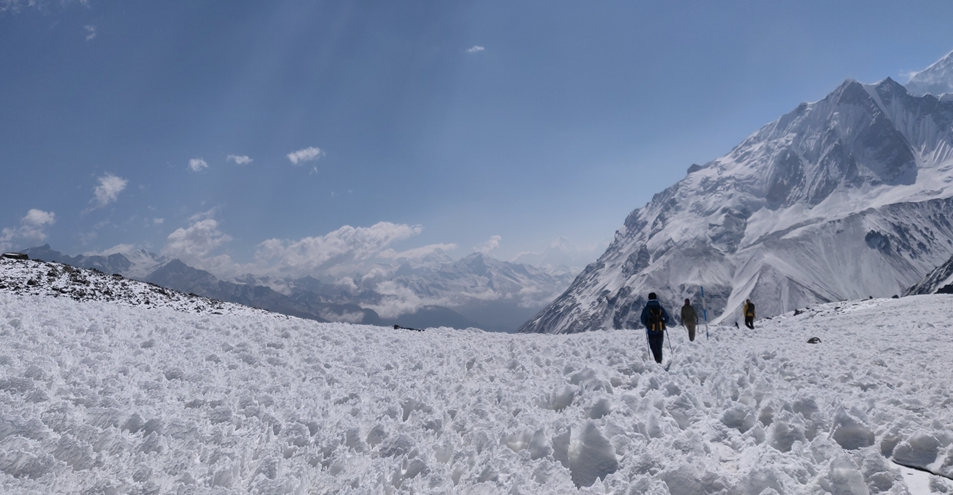


Annapurna Circuit Trek: A Journey Through Diverse Landscapes and Cultures
The Annapurna Circuit Trek is one of Nepal’s most iconic trekking routes, offering an unforgettable
journey through diverse landscapes, rich cultural heritage, and breathtaking Himalayan views.
Encircling the Annapurna Massif, this trek covers approximately 131 kilometers, though distances
vary based on route adjustments and transportation use. Traditionally, it takes around 15–20 days to
complete, beginning from the lush valleys of Besisahar and concluding in the dramatic Kali Gandaki
Gorge.
A Trek Through Changing Landscapes
One of the most fascinating aspects of the Annapurna Circuit Trek is the transition through diverse
geographical zones. The journey begins in the subtropical lowlands, where rice terraces, dense
forests, and cascading waterfalls dominate the scenery. As trekkers ascend, the landscape changes to
alpine meadows, rocky cliffs, and eventually, the stark, high-altitude deserts reminiscent of Tibetan
plateaus.
The highlight of the trek is crossing Thorong La Pass at 5,416 meters—the highest point of the circuit.
Reaching the pass is a physically demanding challenge, requiring proper acclimatization, but the
reward is unparalleled views of the Annapurna and Dhaulagiri ranges, as well as peaks such as
Annapurna II, Annapurna IV, and the sacred Machapuchare (Fishtail). The descent from Thorong La
leads to the Mustang region, where trekkers are greeted by barren yet striking landscapes and a
distinctly Tibetan cultural influence.
Another significant geographical marvel along the route is the Kali Gandaki Gorge, the deepest gorge
in the world. This section of the trek lies between two towering 8,000-meter peaks—Annapurna I and
Dhaulagiri. The windswept valley here offers stunning views and a contrast to the greener areas
trekkers pass through earlier in their journey.
Cultural Richness Along the Trail
The Annapurna Circuit is not just about the landscapes; it is equally a cultural journey. The trail
passes through villages inhabited by diverse ethnic groups, including Gurungs, Thakalis, and
Manangis, each with unique traditions, languages, and lifestyles. The Manang Valley, home to the
Manangi people, showcases traditional Tibetan-influenced architecture, prayer flags, and Buddhist
monasteries.
A key spiritual highlight is Muktinath Temple, a sacred pilgrimage site for both Hindus and
Buddhists. The temple complex, located at 3,800 meters, features eternal flames burning from
natural gas sources and 108 water spouts, believed to cleanse sins and bring spiritual liberation.
Hindu devotees consider it a significant site of Vishnu worship, while Buddhists regard it as a
manifestation of Avalokiteshvara, the Bodhisattva of Compassion.
Throughout the trek, visitors encounter ancient monasteries, chortens (stupas), and mani walls
engraved with Buddhist prayers. These elements reflect the deep spiritual connection the local people
have with their land. Many trekkers also engage with locals in teahouses, where they can experience
traditional Nepali hospitality and taste authentic dishes such as dal bhat (lentil soup with rice) and


There are no reviews yet.