
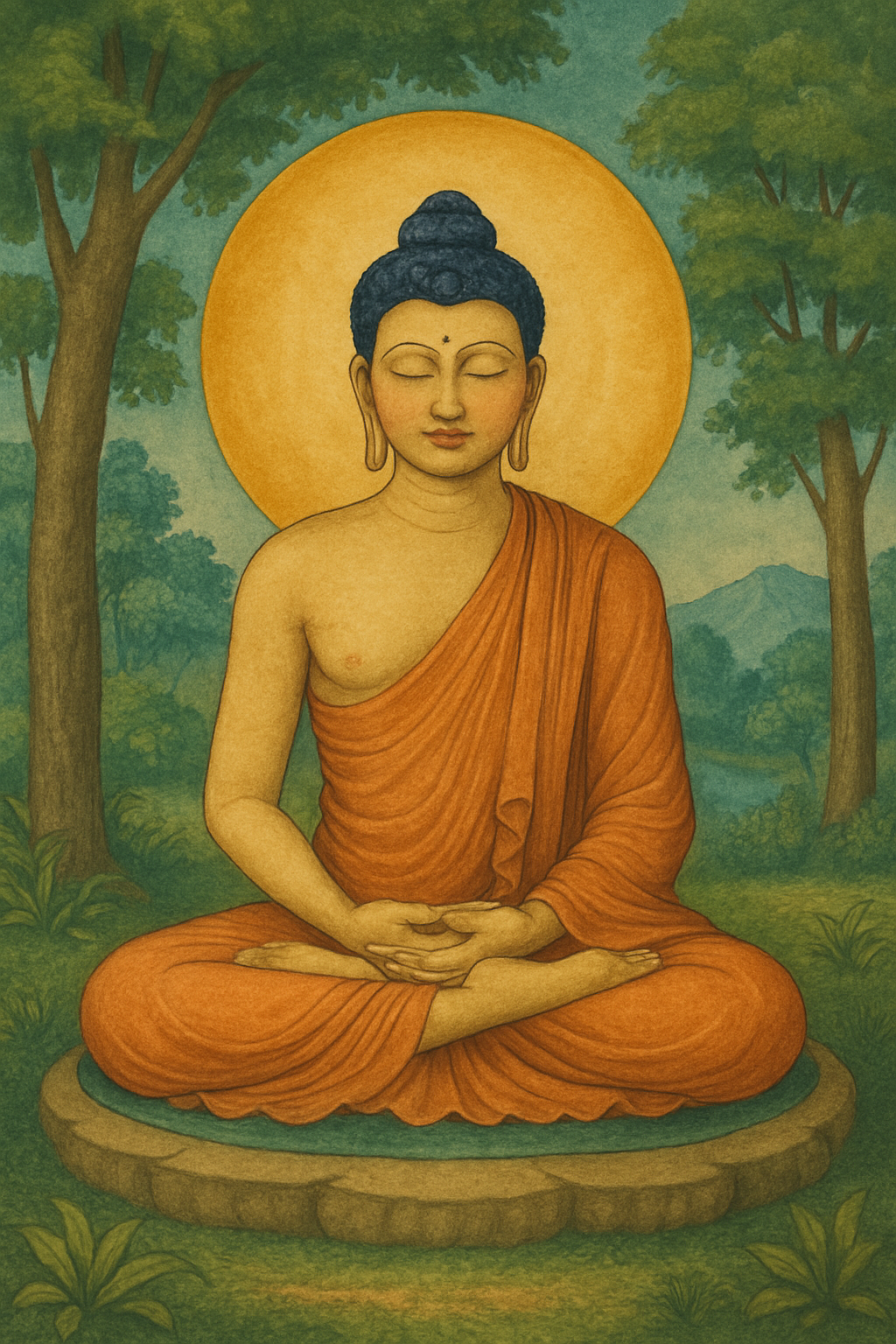
The Four Noble Truths of Buddha : A Layman’s Guide to Ending Suffering Today
In a world obsessed with quick fixes, Buddha’s Four Noble Truths for everyday life offer a roadmap
to lasting peace. You don’t need robes or retreats—just curiosity and a willingness to
see suffering differently. Let’s break down these 2,500-year-old truths through the eyes of a layman
exploring Buddhist philosophy, blending ancient insights with actionable steps for modern chaos.
1. The First Noble Truth: Life is Suffering (Dukkha)
Understanding suffering as a layperson starts with seeing dukkha not as failure, but as a universal truth.
Missed deadlines, strained relationships, or even existential boredom—all are flavors of suffering. Buddha
called this dukkha, a term meaning “unsatisfactoriness.” Research confirms that chronic stress mirrors
ancient suffering, while studies on emotional resilience show awareness is the first step to freedom.
How to Apply This Truth Daily:
- Name your suffering: Label frustrations as “dukkha” to depersonalize them.
- Embrace impermanence: Remind yourself, “This too shall pass.”
- Seek mindful pauses: Breathe deeply before reacting to stressful triggers.
2. The Second Noble Truth: The Origin of Suffering (Samudaya)
Buddha pinpointed craving (tanha) as suffering’s root—a truth glaringly obvious in our consumer-driven
world. Scrolling for likes, chasing promotions, or hoarding gadgets all stem from attachment to
outcomes. Modern psychology agrees: dopamine-driven desire loops keep us stuck in cycles of lack.
Breaking the Cycle of Craving:
Audit your triggers: What apps or habits fuel dissatisfaction?
Practice gratitude journaling: List three non-material joys daily.
Ask the Buddha question: “Do I need this, or is it a want?”
3. The Third Noble Truth: The Cessation of Suffering (Nirodha)
Finding peace as a layperson isn’t about erasing pain but liberating yourself from craving’s grip. Studies
on meditation show it reduces anxiety by 32%, while compassion practices rewire the brain for calm.
Nirodha—the end of suffering—isn’t a distant dream but a daily practice of letting go.
Habits to Cultivate Nirodha:
- Two-minute mindfulness breaks: Pause work to focus on your breath.
- Compassion mantras: Silently wish others well during conflicts.
- Nature therapy: Walk barefoot to reconnect with the present.
4. The Fourth Noble Truth: The Path to Liberation (Magga)
The Eightfold Path for modern laypeople isn’t about perfection but progress. From ethical
speech to mindful living, each step is a tool for navigating chaos. Research links right livelihood to
reduced burnout, while mindful focus boosts productivity by 26%.
Simplifying the Eightfold Path:
- Speak with integrity: Avoid gossip; choose words that heal.
- Work with purpose: Align your job with core values.
- Stay present: Use apps to block distractions during meals or conversations.
Bridging Ancient Wisdom and Modern Doubts
Q: Can I follow Buddhism without quitting my job?
A: Absolutely. The Eightfold Path for laypeople focuses on mindset, not monastic vows.
Q: How do I start practicing today?
A: Begin with five-minute mindfulness sessions and a nightly gratitude list.
Q: Isn’t suffering just part of life?
A: Yes—but your relationship to suffering can transform it from a prison to a teacher.
Conclusion
Buddha’s Four Noble Truths aren’t relics—they’re tools for modern resilience. By naming suffering,
dissecting craving, nurturing peace, and walking the Eightfold Path, you’ll find freedom in the everyday.
So, ask yourself: What one craving can I release today to taste liberation?